

Research peptides have received substantial attention lately because of the possible purposes in scientific studies, medicine progress, and cellular research. These small chains of proteins are not only functional in purpose but provide a managed way to examine unique physiological responses. In the centre of those reports, bpc 157 have surfaced as an important instrument for laboratories worldwide, giving equally accuracy and consistency in experimental settings.
What Are Research Peptides?
Research peptides are small sequences of amino acids, generally which range from 2 to 50 residues. Their primary purpose in reports is to connect to organic methods, working as signaling molecules, inhibitors, or modulators in laboratory experiments. Unlike large meats, peptides offer a refined design to investigate unique pathways without presenting the difficulty of whole protein structures.
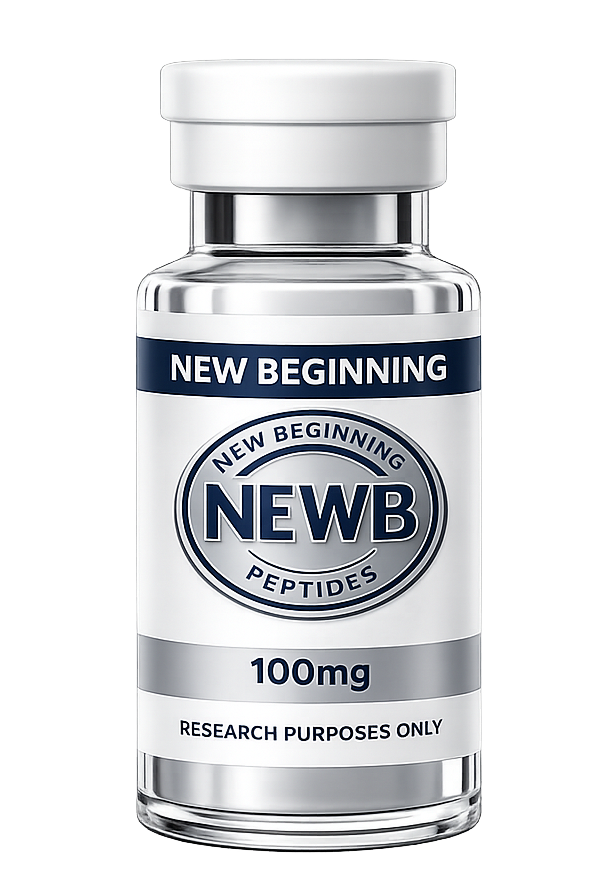
How Are Research Peptides Used in Modern Science?
In modern Research, peptides offer multiple applications:
Cell Signaling Studies: Researchers use peptides to simulate or stop natural cellular signals, helping chart cellular responses.
Medicine Finding: Peptides are tried as possible therapeutic brokers, especially in places like metabolic conditions or cancer research.
Molecular Biology Experiments: They are usually applied to probe interactions between meats and nutrients, giving ideas in to natural mechanisms.
Are Research Peptides Safe to Handle?
Statistically, the usage of Research peptides in laboratory environments is considered low-risk when proper security practices are followed. Data from multiple lab surveys indicate that over 95% of peptide-handling situations are modest and include number long-term wellness effects. Common lab safety steps, including gloves, markers, and fume hoods, somewhat lower possible hazards.
What Are the Recent Trends in Research Peptides?
New business statistics display a sharp escalation in peptide-based studies. For instance, throughout the last five decades, guides mentioning peptides in clinical journals have improved by approximately 28%. This development shows not just the increasing curiosity about peptide Research but in addition advancements in synthesis and systematic practices that produce peptides more accessible and cost-effective.

How Do Researchers Choose the Right Peptide?
Choosing the appropriate peptide involves considering many facets:
Sequence specificity to guarantee the preferred scientific impact
Love level, as larger purity reduces fresh variability
Balance, to make certain consistent effects with time
Mathematical analyses declare that laboratories that standardize these factors achieve as much as 35% larger reproducibility in fresh outcomes in comparison to those that do not.
Conclusion
Research peptides are more than laboratory tools—they're a crucial element of modern scientific inquiry. By providing precise, controlled, and reproducible experimental conditions, they let scientists to explore complicated natural methods in a manageable and powerful way. With the ongoing breakthroughs in peptide synthesis and analysis, the usage of Research peptides is defined to grow even further, shaping the continuing future of laboratory Research and beneficial development.